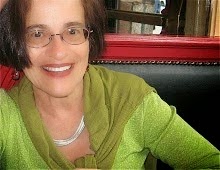
Recently, Sherry and I chatted on Skype (she in Atlanta; I, in Tel Aviv). Our signature unstructured exchanges moving from personal stories to more public ones, took a sudden and dramatic shift back to the personal. “Did I tell you about Corey’s conversation with my mother?” she blurted out.
And out poured another scary true tale of the upshot of Jim Crow, underscoring the perfect pitch of Senator Barack Obama’s recent 37-minute speech heard around the world. "But race is an issue that I believe this nation cannot afford to ignore right now," he intoned, calling all the people of the U.S. to face it head on.
“Tell your truth, Sherry,” I coaxed, “write about Corey’s conversation with your mother, and use my blog as your virtual StoryCorps project booth.” And she did just that.
° ° °
I was born 56 years ago, and grew up in suburban Atlanta, Georgia. I am all too familiar with racism and the humiliation of segregation. However, I was amazed by a call I got from my sister Marsha.
Marsha told me about her son Corey's conversation with our mother. It was about the baby pictures (long a sensitive subject for my siblings and one that our mother, Hattie Pearl, kept silent about for years). Last month my twenty-something nephew asked her why there were no baby pictures of his mother.
Though we have baby pictures of me, the eldest, we have none of my four siblings. And until Corey's direct questioning, they remained puzzled and asked about it, but my mother didn’t really answer.
My mother’s answer was simple yet amazing. She calmly explained that when I was born, in 1952, photography studios where we lived would not photograph black people. So, my parents drove to Auburn Avenue in downtown Atlanta and had my pictures taken in this black business and residential area. When the family grew rapidly, my parents were simply too busy to make the trek for my siblings’ pictures. “Why didn’t you ever tell us?” I asked her. She just shrugged.
No eating here; no sitting there
My mother hated taking us for ice cream, she later told us, because while black people could buy at an ice cream shop, they were forbidden from eating there. We kids would pepper her with questions all the way home about why we couldn’t eat at the shop. Much later I realized that she could not bring herself to tell her babies that America considered us second-class citizens.
While my mother continued to try to protect us, the horrible truth was encroaching steadily. One day it hit me with a force that still shocks me today.
Many Saturdays, she would drop us off at the Strand Movie Theatre, where we entered through the back door. When I asked why we went this way, she said it was cheaper, and I accepted her explanation.
I don’t remember my mother telling us to sit upstairs in the balcony; probably, we intuitively joined the other black people. One day, all the balcony seats were filled. So I, age seven or eight, blithely went down the stairs, found an empty seat, and sat down.
Suddenly, a white man, shining a flashlight in my face, screamed “Nigger, get back in that balcony!” Terrified and sobbing, I ran upstairs, sat on the steps, and continued to cry. The other black kids laughed hysterically, incredulous that I didn’t know my place. While I still hear the violent screams and the laughter, I remember nothing about the movie.
Vacation Bible School fiasco
For some reason, a few white women came to teach Bible School at our church. All week, we had done arts and crafts, which I loved, and Friday, we would take our projects home. One night that week, the Klan burned a cross at our church. The teachers couldn’t return, and I never got my project. I felt devastated, confused, and afraid.
Traumas of integration
These sample ordeals should have prepared me for the coming trauma. But they didn’t. In 1965, I was among the first small group of black children to integrate the high school under the Freedom of Choice plan. One night, a few days before starting school, a cross was burned in front of our house. So the night before our first day, my dad sat up all night long with a shotgun.
Everyone — students, teachers, administrators, and even bus drivers threatened, harassed, and humiliated us nonstop. After a year of this treatment, I finally got it. At the tender age of 13, I had an epiphany: They really do hate us and want to kill us! Until that moment, I had been clinging to the belief that this couldn’t possibly be true.
When I became the first black person to be admitted to the Beta honors club, I was ready. I stood stoically in the line of inductees and heard students in the audience scream at the adults, “You must have made a mistake, there’s no such thing as a smart nigger!”
During the horrible integration days, my normally shy mother’s behavior was astonishing. She protected us vigorously and even threatened the principal that she would take him to the U.S. Supreme Court if he forced black children to sit together on the bus (this way, accommodating white kids’ demands to sit apart from us).
So, I suggested to my black classmates that we spread out and take a seat in all parts of the bus. In response, the driver told us to sit together (to create a separate block of seats for the white kids). When my mother confronted the principal with our reports, we were permitted to sit anywhere. Yet the white kids defied the order and stood rather than sit next to us.
My mother had such strength. During the early days of integration, we commuted many miles to the black elementary school as we rode past the white school, packed like pigs in a raggedy school bus. Until the day my mother went to the black school and counted us as we got off the bus. There were 101 of us.
She enlisted the principal to join her in forcing the local board of education to give us another bus. When the board claimed it had no extra driver, an excuse for not getting the other bus, my mother found a driver.
Understanding and gratitude
For a long time, I was so angry with my mother for not telling me the truth before the theatre incident and about the other horrors sooner. Eventually, thank God, I came to understand her dilemmas and I imagined how she must have struggled during those years (and, of course, throughout her whole life).
I mean, really, how do you explain something like racism to a child? Now, I am grateful for those few sheltered years under the protection and sometimes cover-ups of my beleaguered parents.
Related post
Listening to StoryCorps’ Dave Isay and Atlantans tell their stories
Update | A month after publishing Sherry’s Baby Pictures, The Elder Storytelling Place weblog of Time Goes By cross-posted it with our permission, triggering a range of comments there, too.
And out poured another scary true tale of the upshot of Jim Crow, underscoring the perfect pitch of Senator Barack Obama’s recent 37-minute speech heard around the world. "But race is an issue that I believe this nation cannot afford to ignore right now," he intoned, calling all the people of the U.S. to face it head on.
“Tell your truth, Sherry,” I coaxed, “write about Corey’s conversation with your mother, and use my blog as your virtual StoryCorps project booth.” And she did just that.
° ° °
Baby Pictures
by Sherry as told to me
 |
| Hattie Pearl and daughters Sherry (L) and Marsha (R) |
Marsha told me about her son Corey's conversation with our mother. It was about the baby pictures (long a sensitive subject for my siblings and one that our mother, Hattie Pearl, kept silent about for years). Last month my twenty-something nephew asked her why there were no baby pictures of his mother.
Though we have baby pictures of me, the eldest, we have none of my four siblings. And until Corey's direct questioning, they remained puzzled and asked about it, but my mother didn’t really answer.
My mother’s answer was simple yet amazing. She calmly explained that when I was born, in 1952, photography studios where we lived would not photograph black people. So, my parents drove to Auburn Avenue in downtown Atlanta and had my pictures taken in this black business and residential area. When the family grew rapidly, my parents were simply too busy to make the trek for my siblings’ pictures. “Why didn’t you ever tell us?” I asked her. She just shrugged.
No eating here; no sitting there
My mother hated taking us for ice cream, she later told us, because while black people could buy at an ice cream shop, they were forbidden from eating there. We kids would pepper her with questions all the way home about why we couldn’t eat at the shop. Much later I realized that she could not bring herself to tell her babies that America considered us second-class citizens.
While my mother continued to try to protect us, the horrible truth was encroaching steadily. One day it hit me with a force that still shocks me today.
Many Saturdays, she would drop us off at the Strand Movie Theatre, where we entered through the back door. When I asked why we went this way, she said it was cheaper, and I accepted her explanation.
I don’t remember my mother telling us to sit upstairs in the balcony; probably, we intuitively joined the other black people. One day, all the balcony seats were filled. So I, age seven or eight, blithely went down the stairs, found an empty seat, and sat down.
Suddenly, a white man, shining a flashlight in my face, screamed “Nigger, get back in that balcony!” Terrified and sobbing, I ran upstairs, sat on the steps, and continued to cry. The other black kids laughed hysterically, incredulous that I didn’t know my place. While I still hear the violent screams and the laughter, I remember nothing about the movie.
Vacation Bible School fiasco
For some reason, a few white women came to teach Bible School at our church. All week, we had done arts and crafts, which I loved, and Friday, we would take our projects home. One night that week, the Klan burned a cross at our church. The teachers couldn’t return, and I never got my project. I felt devastated, confused, and afraid.
Traumas of integration
These sample ordeals should have prepared me for the coming trauma. But they didn’t. In 1965, I was among the first small group of black children to integrate the high school under the Freedom of Choice plan. One night, a few days before starting school, a cross was burned in front of our house. So the night before our first day, my dad sat up all night long with a shotgun.
Everyone — students, teachers, administrators, and even bus drivers threatened, harassed, and humiliated us nonstop. After a year of this treatment, I finally got it. At the tender age of 13, I had an epiphany: They really do hate us and want to kill us! Until that moment, I had been clinging to the belief that this couldn’t possibly be true.
When I became the first black person to be admitted to the Beta honors club, I was ready. I stood stoically in the line of inductees and heard students in the audience scream at the adults, “You must have made a mistake, there’s no such thing as a smart nigger!”
During the horrible integration days, my normally shy mother’s behavior was astonishing. She protected us vigorously and even threatened the principal that she would take him to the U.S. Supreme Court if he forced black children to sit together on the bus (this way, accommodating white kids’ demands to sit apart from us).
So, I suggested to my black classmates that we spread out and take a seat in all parts of the bus. In response, the driver told us to sit together (to create a separate block of seats for the white kids). When my mother confronted the principal with our reports, we were permitted to sit anywhere. Yet the white kids defied the order and stood rather than sit next to us.
My mother had such strength. During the early days of integration, we commuted many miles to the black elementary school as we rode past the white school, packed like pigs in a raggedy school bus. Until the day my mother went to the black school and counted us as we got off the bus. There were 101 of us.
She enlisted the principal to join her in forcing the local board of education to give us another bus. When the board claimed it had no extra driver, an excuse for not getting the other bus, my mother found a driver.
Understanding and gratitude
For a long time, I was so angry with my mother for not telling me the truth before the theatre incident and about the other horrors sooner. Eventually, thank God, I came to understand her dilemmas and I imagined how she must have struggled during those years (and, of course, throughout her whole life).
I mean, really, how do you explain something like racism to a child? Now, I am grateful for those few sheltered years under the protection and sometimes cover-ups of my beleaguered parents.
Related post
Listening to StoryCorps’ Dave Isay and Atlantans tell their stories
Update | A month after publishing Sherry’s Baby Pictures, The Elder Storytelling Place weblog of Time Goes By cross-posted it with our permission, triggering a range of comments there, too.