Kamal Dahal: "Every Bhutanese refugee
is hoping to become a U.S. citizen."
Update | July 4, 2009 The Atlanta-Journal Constitution profiled Kamal in Teen rises up as go-to guide for refugees from Bhutan.
We love our country a lot and we can even
die for our motherland. We are patriotic. (Kamal)
When Kamal was three months old, his family fled political, social, and religious persecution in a violent mass exodus to United Nations-run refugee camps in southeastern Nepal. Living in squalid makeshift huts of bamboo and plastic, the stateless victims endured 17 years' struggle and poverty with their 100,000 fellow exiles. They dreamed of a new beginning, to live in freedom and dignity as productive members of a society.
And, while they could not return to their beloved Bhutan, the chance to seek resettlement to a third country under the United Nations Third-Country Resettlement Program for Refugees reversed their fortunes. Eleven months ago, as part of one of the world's largest resettlement efforts, Kamal and his family — traumatized by their decades-long ordeals, were relocated to Atlanta, Georgia; the USA will resettle some 60,000 Bhutanese in a five-year span.
From southeast Bhutan to southeast USA
In the refugee camps, lights and cooking stoves were kerosene-powered, and cell phones and personal computers were unheard of. Still, Kamal has mastered these technologies in his first year here. This summer, in a coveted internship with Amnesty International (AI), he is helping to calculate budgets for human rights projects and to prepare presentations on AI activities in the USA.
Kamal is a top-performing student, the first Bhutanese in a Georgia public high school. His gentle manner, self-reliance, initiative, and can-do approach have earned him high marks from teachers, classmates, and volunteer groups. I was drawn to a support group spearheaded by a family at the Young Israel of Toco Hills synagogue whose daughters attend high school with Kamal. The family has galvanized scores of volunteers, including fellow-employees at the U.S. Centers for Disease Control and Prevention (CDC), to help our new neighbors do what my tradition calls tikkun olam (Hebrew: world repair).
Rebuilding shattered lives,
Going from strength to strength
As a key go-to problem solver and troubleshooter for his juniors, peers, and elders, Kamal often dedicates days and nights addressing such issues:
- Evictions on account of scarce jobs to earn rent and utilities costs
- Emergency medical crises unattended for lack of insurance
- One-bedroom apartments without electricity where newly-arrived large families were brought
- Lack of technical skills and training suitable to apply for work opportunities, and lack of exposure to jobs requiring existing skills
- Limited orientation to local customs and resources, promoting inactivity and isolation
Like the native among you shall be the sojourner who sojourns among you, and you shall love him as yourself, for you were sojourners in the land of Egypt. (Leviticus 19:34)
The plight of refugees does not elude me, and my tradition teaches that we lift up our kin, especially strangers in our midst. My grandparents came to these shores, too, from Russia via Europe in the previous century. They, too, were escaping persecution, seeking refuge, bringing optimism and hope, and working nonstop to address the persistent challenges of being and belonging in a new land.
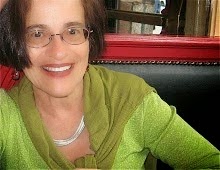
 Earlier this spring, in a public park near the Central Bus Station in south Tel Aviv I participated in the Passover Freedom Seder for Israelis and African Refugees and Asylum Seekers. The magnitude of the African communities' burdens and needs, which they shared in our conversations (in English or, through a quick-learning Hebrew-speaking child) nearly undid me. I can't shake the voice of Johannes (shown in the photo with me) as he replied to my dumb question, "Why come here?" As I probed my Eritrean witness, with his permission, the narrative of his suffering unfolded. "I came through the way that Moses and his people, your people crossed. Help us, please help us get out of this suffering," he pleaded.
In Kamal, as in Johannes, I caught a glimpse of something I don't often see: the unabashed vigor of life, the courage and stamina to confront longing for home, loneliness, language barriers, fears, and the unknown. And I felt their drive to go forward, embracing all possibilities despite risking more danger or greater loss.
Encounters with such heroes pull me up out of the pettiness and stupidity of daily life. And I know that almost anyone can meet these kinds of heroes any day. Just pay attention, listen, and be present.
My related posts