September 17, 2010

Yom Kippur 5771 (2010) and the fragility of life

Karin turns age 88 next month;
Vivienne turned 13 yesterday

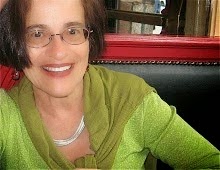
I love introducing my friends to each other. The pair in the photo has been in conversation since Vivi was a little tyke and met Karin and her pipe-cleaner-doll creations. In the photo, Swedish-born Karin is explaining how she twists colorful fuzzy-covered wires into bodies of all shapes and sizes, adds facial features and expressions using recycled threads, yarns, and tiny beads, and then accessorizes her creatures with the finest details and attire — hair, hats, dresses, petticoats, shoes, buttons, jewelry, sweaters, purses, and parasols.

Dolls "R" Us
Karin's lovingly sewn, embroidered, and appliqued dolls are fragile, and they are delicate, bend and lose their shapes easily, and risk fading, unraveling, and possible neglect and loss. Eventually, they die. Just like us.

Two weeks ago, I called Karin and discovered her in dire pain and shortness of breath, and rushed to my neighbor's side and immediately dialed 911. In those moments, at what might have been the edge where life meets death, I watched Karin, so fragile, strapped to the gurney and carried to the waiting ambulance.  And I understood (in my terror and her calm) the words, "fragility of life." (Karin's three-week journey — of health crisis, discovery, rescue, care, and healing has taken her from home to emergency room and intensive care unit, and from regular hospital care to a nursing facility, where she regain strength while continuing to heal. And, soon, the woman whose doctor called his "miracle patient" will be home, again.)

Reflecting on the fragility of life on this day, each year
On Yom Kippur, which begins at sunset tonight, we intentionally dwell on the edge where life meets death, and reflect deeply on the fragility of life in all its aspects and manifestations. Individually and communally, I will be reading, chanting, and reflecting on the liturgy and special Hebrew Scriptural readings of this day. Joining the chorus of participants, I will focus on the difficult matter of fragility, asking or pleading out loud repeatedly during the worship service, “Who will live and who will die [in the coming year]?”

May all of us appreciate the fragility of life in the coming year.

Vivi's collection of Karin's gift dolls
relax in their bed when not posing
on her desk and bookshelves

My previous Yom Kippur posts

September 09, 2010

"Have you a sweet year"

Nine-year-old Peter Chiou's bilingual Rosh Hashana
message and
his mother Sophia's honey cake

Earlier this week, I shared a bit about Rosh Hashana, the Jewish New Year, with Sophia Chiou, my delightful new neighbor from Taiwan. I described our custom of eating apples dipped in honey, symbolizing hopes for sweetness in the coming year.

Today, Sophia arrived at my house with three-year-old Iris, surprising me with wonderful homemade holiday gifts: nine-year-old Peter's card and Sophia's honey cake.

What brought this tender, caring woman and her family to Atlanta? Husband Tony Chiou is doing veterinary research this year at Emory University's Yerkes National Primate Research Center.

An auspicious start to the Jewish New Year 5771, radiating a great sweetness to all.

My previous Rosh Hashana posts

September 02, 2010

Atlanta Bhutanese refugees want jobs

Meet the Dulal brothers: Jaga, Tila, and Buddha. During the past 15 months, they resettled in Atlanta, joining their parents and community of 6,000 fellow Bhutanese refugees. They arrived from refugee camps in Nepal, where they had been living 18 years with 100 thousand fellow victims of ethnic cleansing in their homeland, neighboring Bhutan.

The Dulals and their community are aching for work to help feed and support their families. And while the Dulals speak halting English and are open to work opportunities, in this tight market they have not yet found jobs. Unless they earn money to pay for their modest housing and other basics, they face potential eviction.

Watch the video (1:50 minutes).


Bhutanese refugee men and women seek work in —
  • Restaurants: cooking, cleaning, and serving
  • Childcare and elder care
  • Landscaping, maintenance, and other service work
  • Factory assembly lines
  • Bakery processing plants
  • Sewing, tailoring, and weaving
  • Designing and making beaded necklaces
  • Henna painting
The young adults and high school students also seek work — after school, summers, and weekends. They speak English, and the teens attend local high schools (where many are in Advanced Placement [AP] classes). Many young adults study part-time in local community colleges where they must pay fees while helping to support their families.

Contact us
Please send job leads and offers to BhutanBaskets@Gmail.com.

How Bhutanese refugees come to Atlanta
The refugees arrive in Atlanta and nationwide through combined efforts of the Office of the United Nations High Commissioner for Refugees (UNHCR) Third Country Resettlement Program and the U.S. Refugee Resettlement Program. The UNHCR also works with the U.S. and many other countries to resettle other refugee groups from around the globe.

Thank you and Namaste*
*Sanskrit greeting, meaning, I bow to you

My related posts
 Cross-posted at Bhutan > Atlanta